

Camera Bags Vs Lenses Which Should You Buy
It is the eternal gear dilemma: do you invest in the glass that defines your image, or the bag that protects your livelihood? If you are staring at a mounting credit card bill, wondering whether to pick up that next prime lens or a professional-grade backpack, you aren't alone. This isn't a comparison of equivalent scopes—one is an optical component and the other is a transport system—but it is a vital decision regarding how you prioritize your workflow and gear longevity.
Models in this comparison
Affiliate disclosure: if you buy through these links, we may earn a commission at no extra cost to you.
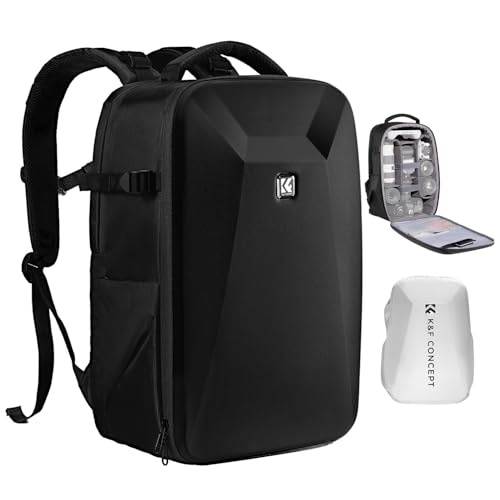


This guide is for the photographer standing at a crossroads. Whether you are a street shooter looking for a low-profile sling to avoid being a walking target in a crowded city, or a landscape enthusiast needing a rugged backpack to haul heavy kits through the elements, the choice between upgrading your optics or your organization is often a matter of necessity. We will look at how these two investments impact your real-world usability, your ability to capture the moment, and the long-term survival of your kit.
Table of Contents
Quick Verdict
Choose Camera Bags if...
- You already have the glass you need but are struggling with organization, protection, or ergonomic pain during long shoots.
- You are transitioning from a "bag full of gear" to a professional workflow where instant access and weatherproofing are critical.
- Your current kit is being scratched or damaged by poor storage, or you need to scale your carrying capacity for travel or hiking.
Choose Lenses if...
- You have a reliable way to carry your current kit and your primary bottleneck is image quality, focal range, or aperture.
- You are looking to fundamentally change your photographic output (e.g., moving from a kit zoom to a fast prime).
- Your current gear is technically functional but lacks the optical performance required for your professional or creative goals.
| Factor | Camera Bags | Lenses |
|---|---|---|
| Primary Function | Protection, organization, and transport of existing kit. | The primary optical tool for capturing image quality. |
| Best For | Logistics, security, and weatherproofing in the field. | Creative expression, focal length versatility, and bokeh. | de
| Operational Impact | Determines how quickly you can access gear or how much weight you can carry. | Determines the fundamental look, field of view, and sharpness of your images. |
| Investment Logic | A secondary investment to protect and manage your primary assets. | A primary investment that directly dictates your output quality. |
| Key Advantage | Prevents gear damage and manages physical comfort during long shoots. | Provides the optical capability to capture the shot as envisioned. |
| Main Drawback | Does not improve the quality of the images themselves. | Does not protect your gear from the elements or physical impact. |
About Camera Bags
Let’s get one thing straight: a camera bag isn't just a glorified sack for your gear. It is a piece of functional engineering designed to solve two problems: protection and access. A dedicated camera bag differs from a standard backpack because it utilizes padded, configurable dividers. These dividers prevent your expensive glass from knocking into your bodies, preventing scratches to lens hoods or, worse, mechanical damage to your mounts. If you’re carrying a heavy kit, the right bag—like a sturdy backpack for landscape work—distributes weight to prevent fatigue, while a low-profile sling bag might be the better choice for street photographers needing instant access.
When evaluating bags, you have to look beyond the spec sheet and consider the real-world environment. For instance, the CADeN D6 Camera Backpack offers a 17L capacity with 7-layer PE foam padding, making it a solid choice for those needing a balance of protection and volume. If you need more room for a laptop or larger bodies, the 30L BAGSMART Camera Backpack provides a 15.6-inch sleeve and seven padded dividers. On the lighter end of the spectrum, the K&F CONCEPT 5L Sling weighs just 0.61 lb, offering a minimalist solution for those who want to move fast without the bulk of a full backpack.
Ultimately, the "best" bag is dictated by your genre. A professional's choice might lean toward a rugged backpack for hiking or a secure, understated messenger for urban environments to avoid signaling theft in crowded areas. Whether you are looking at a 17L workhorse or a lightweight 5L sling, the goal remains the same: getting your gear into your hands in two seconds flat while ensuring it survives a sudden downpour or a bumpy transit ride.
About Lenses
Comparing a camera bag to a lens is, strictly speaking, an apples-to-oranges comparison. One is a vessel for protection and transport, while the other is the primary optical tool that determines your image quality. However, in the context of a gear budget, the question is often: "Do I buy more glass, or do I buy a better way to carry what I already have?" While a bag protects your investment, a lens *is* the investment that defines your aesthetic.
Lenses are the soul of your photography. If you are working with a prime like the Canon EF 50mm f/1.8 STM, you are prioritizing aperture, bokeh, and a lightweight footprint. If you are reaching for a telephoto like the Canon EF 75-300mm f/4-5.6 III, you are prioritizing reach and versatility. The choice of glass dictates your ability to capture a moment, whereas the choice of bag dictates your ability to get to that moment comfortably and safely. A great lens is useless if you're too exhausted to carry it, and a great bag is a secondary thought if your glass can't resolve the detail you need.
When you are deciding where to put your next hundred (or thousand) dollars, consider your current bottleneck. If your gear is currently getting scratched in a cheap bag or you're fumbling with awkward access, a better bag is a logical next step to preserve your kit. But if your images are lacking that professional "pop" or you're missing shots due to focal length limitations, the glass must come first. Invest in the glass that fulfills your vision, then buy the bag that ensures that glass survives the journey.
Head-to-Head: The Investment Dilemma
Let’s address the elephant in the room: you aren't comparing two identical items. You are comparing a component of your kit against the vessel that carries it. A lens is an optical tool that directly dictates your image quality, while a camera bag is a logistical tool that dictates your ability to actually get to the shot. If you buy a premium prime lens but carry it in a cheap, unpadded bag, you risk scratching that glass or losing access to it when the light hits perfectly. Conversely, if you own the most rugged, weather-sealed backpack on the market but only own one kit lens, you’re carrying a lot of empty space and wasted weight.
The decision comes down to your current bottleneck. If your current glass is preventing you from achieving the look you want—say, you're struggling with depth of field or reach—the lens is the priority. But if you are traveling, hiking, or working in unpredictable environments where gear protection is a constant anxiety, the bag becomes the more critical investment. You can't take great photos if your sensor is soaked or your lens mount is stressed from a poorly distributed load.
Head-to-Head: Image Quality vs. Operational Security
When you invest in a lens, you are investing in the fundamental physics of your images. A better lens means better sharpness, better bokeh, and better handling of flare. It is a direct upgrade to your output. A camera bag, however, provides "operational security." It ensures that your gear remains functional and that you remain mobile. A well-designed bag—like a low-profile sling for street work or a rugged backpack for trekking—allows you to access your kit in seconds. In the field, the difference between a two-second grab and a two-minute fumble can be the difference between catching the decisive moment and missing it entirely.
The trade-off is one of immediate vs. long-term value. A new lens provides an immediate, visible improvement in your portfolio. A new bag provides the peace of mind that your existing gear won't be damaged by a rogue zipper or a sudden downpour. If your current gear is well-protected and your current lenses are sufficient for your genre, the lens is the logical next step. But if you are currently struggling with ergonomics or gear safety, the bag is the smarter move to protect the assets you already own.
Head-to-Head: Portability vs. Capacity
The tension between these two purchases often mirrors the tension between mobility and capability. Buying a lens often means adding weight and changing your physical footprint. A heavy telephoto lens changes how you move, how much you carry, and how much you can physically endure on a long shoot. A camera bag is the management of that weight. A heavy-duty backpack might offer the capacity to carry a full studio setup, but it limits your ability to be a "run-and-gun" shooter. A lightweight 5L sling might be perfect for a minimalist street setup, but it won't help you if you need to carry a laptop and extra bodies.
In 2026, the trend leans toward specialized gear. If you are a landscape photographer, your "bag vs. lens" debate is often about whether to buy a heavier, sharper lens or a more ergonomic backpack to carry your current kit further. For the street photographer, it’s about whether to buy a faster prime or a more discreet, low-profile bag. You have to decide if your current limitation is the quality of the light hitting your sensor or the physical ability to carry your kit to the location.
Who Should Choose Camera Bags?
Let’s be clear: choosing a bag isn't about aesthetics, even if we all like a bag that looks good in a coffee shop. It is a critical gear decision. If you are currently working with a solid kit but find yourself fumbling with zippers or worrying about your glass knocking against each other in a standard backpack, the bag is your priority. You should invest in a dedicated camera bag if you need to protect your investment from the elements or if your current storage method is causing physical strain.
The decision often comes down to your genre. If you are a landscape photographer, you need a sturdy, well-padded backpack to manage heavy loads over long distances. If you are a street photographer, you likely need a low-profile sling bag that allows for instant access without the "look at me, I have expensive gear" profile that can signal theft in crowded areas. If you have the gear but lack the organization, a dedicated bag—with its padded, configurable dividers—is the difference between a smooth shoot and a scratched lens hood.
Who Should Choose Lenses?
Comparing a bag to a lens is an apples-to-oranges comparison in terms of utility, but in terms of a budget, it is a classic dilemma. You aren't choosing between two identical products; you are choosing between the vessel and the tool. If you already own a reliable way to transport your kit safely, your money should go toward glass. Lenses are the primary drivers of image quality, and upgrading your optics is often the most direct way to improve your output.
You should prioritize lenses if your current glass is limiting your creative vision or if you are moving into a new genre of photography that requires specific focal lengths. However, there is a caveat: a premium lens in a cheap, unpadded bag is a recipe for disaster. If your current bag is failing—meaning it lacks weatherproofing, has broken zippers, or provides zero protection against impact—the bag must come first. A $2,000 lens is only as good as the protection it has when you're traveling through an airport or hiking a trail. If your gear is safe, buy the glass. If your gear is at risk, buy the bag.
Our Verdict
If you are looking for a direct answer to "which should I buy," the reality is that these two categories aren't even playing the same game. You aren't choosing between a bag and a lens; you are choosing between protecting the gear you own and improving the images you take. One is an investment in logistics, the other is an investment in optics.
If you are a professional or a serious enthusiast with a growing kit, the choice is clear: buy the lens. A better lens changes the fundamental quality of your work—the sharpness, the bokeh, the low-light capability. A bag, no matter how expensive, will never make your images look better. If you have a body and a kit lens but your images feel "flat," a prime lens like a 50mm will provide a tangible upgrade to your craft that a new backpack simply cannot match.
However, there is a massive caveat: the "bad bag" tax is real. If you are currently stuffing expensive glass into a generic backpack or a cheap messenger bag, you are playing a dangerous game. As any seasoned shooter will tell you, the wrong bag can scratch lens hoods, lead to fumbled shutter releases during critical moments, or signal to every thief in a crowded subway that you're carrying a heavy payload. If your current gear is at risk of physical damage or if you're physically exhausted from poor ergonomics, buy the bag first. You can't shoot great images if your gear is broken or if you're too sore to hold the camera steady.
The bottom line: Buy the lens to improve your art. Buy the bag to protect your investment and your sanity. If you have the budget, buy the lens first, then immediately buy a bag that can actually house it safely.
Frequently Asked Questions
Is it better to invest in a high-end lens or a professional camera bag first?
It isn't an apples-to-apples comparison because one is an optical component and the other is a protective housing. However, if you are choosing between a mediocre lens and a great bag, buy the bag. A cheap bag can scratch your lens hoods or fail to protect your sensor during a sudden downpour. A great bag protects the investment you've already made. If you have the budget, the ideal workflow is to own the glass you need and the bag that allows you to access it instantly.
What is the main difference between a dedicated camera bag and a regular backpack?
The difference lies in the internals. Dedicated camera bags feature padded, configurable dividers designed to prevent your gear from knocking into itself. While a regular backpack might have a laptop sleeve, a dedicated bag is engineered to protect sensitive optics and electronics from impact and weather, often featuring specialized compartments for tripods or side-access panels for quick kit retrieval.
How do I choose between a backpack and a sling bag?
It comes down to your genre of photography. If you are a landscape photographer carrying heavy loads over long distances, a sturdy backpack with a well-padded harness is essential for comfort. If you are a street photographer, a low-profile sling bag is often better; it allows for instant access to a minimalist kit and is less likely to signal to passersby that you are carrying expensive glass.
Can I use a regular bag as a camera bag?
You can, but it's risky. Without the specialized padding found in dedicated bags, you run the risk of gear collision or insufficient weatherproofing. If you prefer using a standard backpack, consider using "bag inserts"—padded modules that convert a regular backpack into a camera-ready storage solution for a more budget-conscious approach.


