

Lenses Vs Lighting Equipment Which Should You
We’ve all been there: you’re staring at your gear list, wondering if that next big investment should be a glass upgrade or a lighting overhaul. It’s the classic professional dilemma. Do you buy the lens that captures the micro-contrast you’ve been dreaming of, or the lighting kit that finally gives you control over your environment? In 2026, as sensor technology pushes the limits of resolution, the question isn't just about what you're shooting, but how you're shaping the light that hits the sensor.
Models in this comparison
Affiliate disclosure: if you buy through these links, we may earn a commission at no extra cost to you.

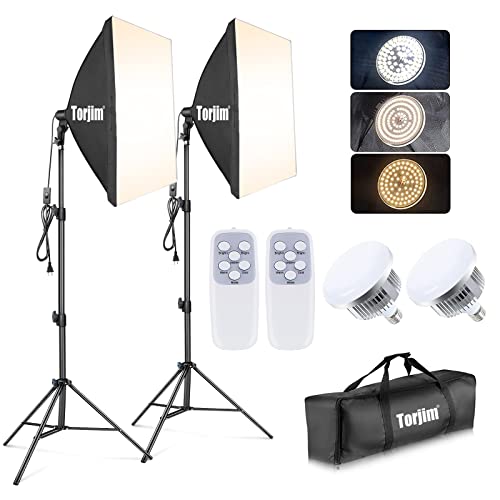

This comparison isn't about choosing one over the other—it's about understanding the technical trade-offs of your budget. Whether you are a macro specialist dealing with specialized magnification or a studio photographer managing specular reflection, your choice dictates your workflow. We’re going to look at how optics and illumination interact, because a great lens can't fix bad light, and even the best lighting can't save a lens with edge distortion. If you're trying to decide where to put your money to get the most professional results, let's break down the physics of the shot.
Table of Contents
Quick Verdict
Choose Lenses if...
- You are focusing on capturing fine detail, such as the intricate structures of the iris where magnification (typically 10x to 30x) is critical.
- Your primary goal is resolving texture, color, and pattern through optical precision.
- You need to manage edge distortion and field depth to maintain subject integrity.
Choose Lighting Equipment if...
- You need to control the direction of emission to manage specular vs. diffuse reflection.
- Your subject has varying properties, such as being highly reflective or transparent.
- You are building a controlled environment where light-to-subject interaction is the primary variable for image quality.
| Factor | Lenses | Lighting Equipment |
|---|---|---|
| Primary Function | Capturing detail, magnification, and optical clarity. | Controlling reflection, transmission, and subject visibility. |
| Best For | Macro work, telephoto reach, and resolving fine textures. | Managing specular reflection, diffuse light, and shadow control. |
| Setup Difficulty | Low to Moderate (Mounting and focus calibration). | Moderate to High (Direction of emission and placement). |
| Technical Focus | Magnification levels and edge distortion minimization. | Wavelength, intensity, and reflection types. |
| Key Advantage | Directly dictates the sharpness and scale of the image. | Determines how the subject's properties interact with the sensor. |
| Main Drawback | Fixed optical properties; cannot change physics of light. | Can introduce unwanted glare or insufficient illumination. |
About Lenses
When we talk about glass, we aren't just talking about magnification; we are talking about the ability to resolve detail and manage the physics of light. In specialized fields like iridology, the lens is the critical interface between the practitioner and the subject. For those performing detailed eye analysis, professional-grade lenses often require magnification capabilities ranging from 10x to someting as high as 30x to capture the intricate patterns of the iris. In these high-stakes environments, the lens must provide minimal edge distortion and consistent illumination to ensure that what you see is an accurate representation of reality.
Beyond the macro world, the versatility of your lens kit dictates your workflow. Whether you are reaching for a telephoto like the Canon RF100-400mm for distance or a versatile zoom like the Tamron 17-70mm f/2.8 for daily shoots, the build quality and optical precision are what prevent mid-shoot frustration. A lens isn't just a tool for magnification; it is a tool for managing the relationship between the sensor and the subject. If the glass can't handle the light or the geometry of the frame, no amount of post-processing will save the shot.
About Lighting Equipment
If the lens is the eye, lighting is the truth. You can own the sharpest glass in the world, but if your light is poorly managed, your images will fail. In technical applications like machine vision, the direction of emission is everything. You have to decide whether you need specular reflection—where light reflects off a surface at the same angle it hits it—or diffuse reflection, where light scatters across the surface. Choosing between coaxial, low angle, direct ring, backlight, dome, or bar lighting isn't just a matter of preference; it is a mathematical necessity based on the target's properties, such as whether the surface is reflective or transparent.
In a studio setting, the goal is often to control the ratio of specular reflectance to diffuse reflectance to achieve a specific look. Using kits like the Torjim Softbox or LED video lights, you are essentially managing how light hits the subject and how much of that light bounces back to the lens. Whether you are dealing with a highly reflective glass substrate or a matte surface, understanding the interplay of specular and diffuse light is the difference between a professional-grade capture and a washed-out mess. In short: the lens captures the light, but the lighting equipment dictates what the lens is allowed to see.
Head-to-Head: Technical Purpose and Application
When you're staring at a gear list, the first thing to realize is that these two categories aren't always playing in the same league. Lenses are your primary interface with the subject, determining focal length, magnification, and depth of field. In specialized fields like iridology, for instance, professional-grade lenses are built for extreme precision, often offering magnification between 10x and s30x to capture the intricate structures of the iris. In those contexts, the lens isn't just about framing; it's about the ability to resolve minute details that a standard kit lens would simply ignore.
Lighting equipment, conversely, is about controlling the environment to make those lenses work. Whether you are using a softbox to soften shadows or specialized machine vision lighting to manage reflections, the goal is to control how light hits the subject. In technical applications like machine vision, the direction of emission—whether it is specular, diffuse, or transmitted—is critical. If you're dealing with reflective surfaces, you might need to manage specular reflectance (light reflecting at the same angle it hits) versus diffuse reflectance (light scattering across the surface). You aren't just "adding light"; you are managing the physics of the surface you're shooting.
Head-to-Head: Image Quality and Control
The battle between glass and light is often a battle between resolution and visibility. A high-end lens provides the optical integrity needed to prevent edge distortion and ensure sharpness across the frame. If you are working in a specialized field, such as eye analysis, the lens must provide consistent illumination and minimal distortion to ensure the data captured is accurate. A lens is the gatekeeper of the image's geometry and clarity; if the glass is subpar, no amount of lighting will fix a distorted subject or a soft focal plane.
However, even the sharpest lens in the world is useless if the lighting is fighting the subject. Lighting equipment dictates the "mood" and the technical legibility of the shot. In industrial or precision settings, the choice between coaxial, low-angle, or dome lighting can be the difference between a clear image and a useless whiteout. While the lens captures the light, the lighting equipment defines what that light reveals. You aren's just buying brightness; you're buying the ability to control specular reflection and highlight specific textures or features.
Who Should Choose Lenses?
If your current kit feels like it’s missing that final layer of sharpness or the ability to reach subjects that aren't cooperating, you're looking at a lens upgrade. Choosing lenses is the priority for photographers who are primarily concerned with focal length, magnification, and optical character. If you are working in specialized fields like iridology, for instance, you aren't just looking for "clear" images; you need professional-grade lenses that offer precise magnification—typically between 10x and 30x—and minimal edge distortion to capture intricate details accurately.
Lenses are the choice for the practitioner whose primary variable is the subject's distance or the need for specific optical properties like bokeh or macro capabilities. If your work relies on the ability to resolve fine textures or requires a specific field of view to frame a shot, the glass is your first line of defense. You buy lenses when the physics of the subject's size and distance dictate your creative output.
Who Should Choose Lighting Equipment?
Lighting equipment is the priority for those who have mastered their focal lengths but are struggling with the "mood" or the technical visibility of their subjects. If you find yourself fighting shadows, dealing with unwanted glare, or unable to reveal texture, you don't need a new lens—you need better light control. This is especially true in technical environments like machine vision, where the direction of emission (whether you need specular, diffuse, or transmitted light) is the deciding factor in whether an inspection succeeds or fails.
Choose lighting equipment if your environment is unpredictable or if your subject's surface properties—such as being highly reflective or transparent—are causing imaging failures. While a lens captures the light, the lighting kit dictates the quality of the information being captured. If your current images lack depth, or if you're struggling with the ratio of specular reflectance to diffuse reflectance on a target, investing in professional lighting is the logical next step to mastering your environment.
Our Verdict
If you are staring at a budget split between glass and light, you aren't just choosing between two types of gear; you are deciding whether you want to capture what is there or control what is seen. Because these two categories serve fundamentally different roles, the "better" investment depends entirely on your current bottleneck.
Buy Lenses if: Your current images lack character, sharpness, or the ability to reach your subject. If you are working in wildlife, macro, or portraiture, the optical quality of your glass is your ceiling. A lens dictates the compression, the bokeh, and the fundamental resolution of your sensor. If your shots look "flat" or you can't get close enough to the action, your glass is the problem. In specialized fields like iridology, for instance, professional-grade lenses with 10x to s30x magnification are the difference between a useless blur and a clear, diagnostic-quality image. If you can't resolve the detail, no amount of light will save you.
Buy Lighting Equipment if: You have mastered your composition but struggle with mood, texture, or visibility. Lighting is the ultimate tool for controlling how light interacts with a surface. Whether you are managing specular reflection (light bouncing off a surface at the same angle it hits) or trying to achieve diffuse reflection to soften harsh shadows, your lighting setup dictates the "feel" of the shot. If you are shooting in uncontrolled environments or working with highly reflective subjects, investing in a solid lighting kit—ranging from softboxes to specialized LED setups—will transform your work from "snapshots" to "composed images."
The Bottom Line: If you are a beginner or moving into a new genre, buy the lens first. You can fix bad lighting with better positioning and reflectors, but you cannot fix a lens that lacks the focal range or optical clarity required for your subject. However, once you have a reliable kit, lighting is the professional's differentiator. It is the difference between being a person with a camera and being a photographer.
Frequently Asked Questions
If I'm doing macro or specialized eye analysis, do I need both specialized lenses and lighting?
In specialized fields like iridology, the two are often inseparable. Professional-grade lenses for these applications typically offer magnification between 10x and 30x and often feature integrated lighting systems. This integration is vital for maintaining consistent illumination and minimizing edge distortion, ensuring the intricate patterns of the iris are captured accurately.
How do I decide between specular and diffuse lighting for my subjects?
It comes down to the properties of your target. Specular reflection occurs when light reflects off a surface at the same angle it hits it; this is often used when working with highly reflective surfaces like glass. Diffuse reflection involves light that scatters across a surface. When choosing your setup, you must determine if your goal is to capture reflected light or to manage how light hits a surface to minimize glare.
What is the difference between specular reflectance and diffuse reflectance?
In any lighting scenario, the total reflectance of a surface is the sum of its specular reflectance (the light reflected at the same angle) and its diffuse reflectance (the light that scatters). Understanding this ratio helps you decide whether you need hard, direct light or soft, diffused light to achieve your desired look.
Can I just use any light with a high-end lens?
Not necessarily. While a great lens is a massive investment, the direction of emission—whether it is coaxial, low angle, direct ring, backlight, dome, or bar lighting—must be matched to your specific inspection or photography requirements. A perfect lens can be rendered useless if the lighting direction creates unwanted shadows or reflections that obscure the subject.


