

Best Cameras For Beginners In 2026
🏆 Top Picks at a Glance
 #1
Best Overall
Canon EOS Rebel T7 DSLR Camera EF-S 18-55mm f/3.5-5.6 is II Lens Kit, 24.1 Megapixel CMOS (APS-C) Sensor, Full HD Videos, Built-in Wi-Fi, Beginner Photographers, Digital Camera, Black
$529.0
Check Price →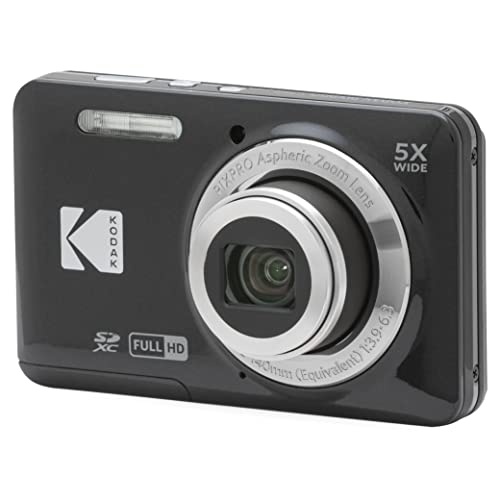 #2
Runner Up
KODAK PIXPRO FZ55 16MP Compact Digital Camera, 5X Optical Zoom, Black
$139.99
Check Price → #3
Best Value
8K Digital Camera, 88MP WiFi Cameras for Photography with 3.2" Touchscreen
$129.99
Check Price →For a first camera, dependable autofocus, comfortable controls, useful automatic modes, and a lens system with room to grow matter more than a large megapixel number. This comparison separates learning-oriented cameras from compact snapshot models. The two home-security listings are outside the photography brief and are not beginner-camera recommendations.
⚡ Quick Answer: Best Cameras
Best for DSLR Beginners: Canon EOS Rebel T7 DSLR Camera EF-S 18-55mm f/3.5-5.6 is II Lens Kit, 24.1 Megapixel CMOS (APS-C) Sensor, Full HD Videos, Built-in Wi-Fi, Beginner Photographers, Digital Camera, Black
$529 — Check price on Amazon →
Table of Contents
Main Points
- Know what kind of camera you’re buying. The Canon EOS Rebel T7 is the only clear interchangeable-lens DSLR in this list; the KODAK models and generic 8K/4K listings are compact or point-and-shoot options, while the GMK 4 Pack and AOQEE C1 are 2K security-camera systems that should be excluded from a beginner-photography ranking. Useful around the house, certainly, but not substitutes for a camera you carry into the street. Customer feedback is N/A for one listing, so a shared star rating is not reliable comparative evidence.
- For learning photography, the Rebel T7 has the clearest runway. Its 24.1MP APS-C sensor, EF-S 18-55mm kit lens, built-in Wi-Fi, 9-point autofocus, Guide mode, and Full HD video make it a credible starter system. The DSLR mirror adds bulk; mirrorless cameras can be smaller and lighter because they omit the mirror.
- Buy the KODAK PIXPRO FZ55 and FZ45 for simplicity, not expansion. The FZ55 offers 5x optical zoom, while the FZ45 offers 4x zoom and AA-battery convenience. They make sense for casual travel and family snapshots when you want minimal fuss, but they do not offer the same long-term lens and accessory path as an interchangeable-lens system.
- Interrogate the 8K/88MP and 4K/50MP claims. Those labels in the listings say little about sensor quality, lens sharpness, stabilization, or whether autofocus can hold a moving subject. Treat autofocus coverage, video resolution, subject tracking, stabilization, and lens quality as more useful checkpoints than headline megapixel numbers. In practice, reliable focus and sensible handling beat another impressive number printed on the carton.
- Budget for the system, not just the body. A camera and lens are the minimum core equipment, followed by the costs of memory cards, a bag, spare batteries, a tripod, filters, flashes, software, and monitor calibration. Since the typical $300–$700 entry-level body price excludes those extras, older or used models from the same product line can be the more sensible way into photography.
Our Top Picks
Affiliate disclosure: if you buy through these links, we may earn a commission at no extra cost to you.
Factors to Consider
Frequently Asked Questions
What is the best beginner camera in 2026?
There is no single best choice for every new photographer, but the Canon EOS Rebel T7 is a sensible beginner choice because of its 24.1MP APS-C sensor, Full HD video, built-in Wi-Fi, and included standard zoom lens.
Is a 24MP camera enough for a beginner?
Yes, a 24MP APS-C camera is more than adequate for learning, everyday photography, online publishing, and many prints. The Canon EOS Rebel T7 has a 24.1MP APS-C sensor, but autofocus, lens quality, handling, and your ability to frame the shot will usually matter more than a modest megapixel difference.
Should I buy a DSLR or a mirrorless camera?
Choose a DSLR if you prefer an optical viewfinder and traditional controls; its internal mirror directs light to the viewfinder. Choose mirrorless if a smaller, lighter body, live exposure preview, and access to a newer lens system matter more, since mirrorless cameras omit that mirror.
Which beginner camera is best for video or vlogging?
The 4K Digital Camera for Photography, 50MP Autofocus Point and Shoot Digital Cameras for YouTube, 16X Zoom with 2.8" 180°Flip Screen, Vlogging Camera for Teens & Beginners- 64GB is the closest fit for vlogging among the listed options because it offers 4K video and a flip screen. The 8K Digital Camera, 88MP WiFi Cameras for Photography with 3.2" Touchscreen may be a better fit if Wi-Fi and a larger stated resolution are higher priorities.
How much should I spend on my first camera?
New entry-level DSLR and mirrorless bodies typically cost about $300 to $700 before lenses and accessories. A realistic starter budget should also cover at least one useful lens, a memory card, a spare battery, and a bag, rather than putting the entire budget into the body and improvising the rest.
Is an older or used camera a sensible choice for a beginner?
Yes, especially when the older model belongs to a product line with affordable, readily available lenses and batteries. Considering an older or used camera can reduce the cost of entry, but check the shutter count, sensor condition, battery health, included charger, and return policy before buying.
What accessories does a beginner actually need?
Start with a camera, lens, memory card, spare battery, and a protective bag; tripods, filters, flashes, software, and monitor-calibration equipment can also be useful parts of a broader kit. Add those extras when your shooting requires them, because a basic tripod you will carry is more useful than a full bundle of accessories that stays in the box.
Conclusion
For most first-time photographers, the Canon EOS Rebel T7 is a sensible starting point because it keeps the controls approachable without closing off interchangeable-lens growth. Choose a compact digital camera instead if portability and straightforward shooting are central to how you plan to shoot. Buy the camera you will carry regularly, then spend the remaining budget on the lens and accessories that solve actual problems in your bag.


