

Cameras Buying Guide: What to Look For in 2026
🏆 Top Picks at a Glance
 #1
#1
Best Overall
Security Cameras Wireless Outdoor,2K Indoor WiFi Wireless Cameras,Outside Battery Powered Camera for Home Security,AI Motion Detection,Color Night Vision,Spotlight,Siren Alarm,SD/Cloud Storage,2 Pack
$49.99
Check Price →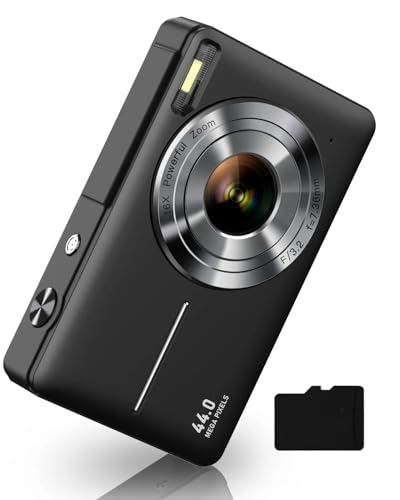 #2
#2
Runner Up
Digital Camera, FHD 1080P Digital Point and Shoot Camera with 16X Zoom Anti Shake, 32GB Card, Compact Small Camera for Boys Girls Kids, Black
$39.99
Check Price → #3
#3
Best Value
Solar Security Cameras Wireless Outdoor, 2K Pan/Tilt 360° View Solar/Battery Powered WiFi Cameras for Home Security with AI Motion Detection, Spotlight, 2-Way Audio, Siren, IP65, SD/Cloud Storage
$33.22
Check Price →Our Top Picks
Affiliate disclosure: if you buy through these links, we may earn a commission at no extra cost to you.
Factors to Consider
Sensor Size and Resolution: Know Your Actual Needs
⚡ Quick Answer
Full-frame sensors remain the workhorse for most professionals, but they're not a mandate—APS-C bodies are genuinely capable and considerably lighter, which matters if you're shooting 200+ days a year. Resolution past 24 megapixels is usually marketing; you need it only if you're cropping heavily or printing large format. The real question is dynamic range and shadow recovery, which varies far more between manufacturers and generations than pixel count ever will.
Table of Contents
Autofocus Speed and Reliability Under Pressure
Phase-detect AF across the sensor is standard now, but implementation quality varies dramatically—some systems hunt in low light where others lock instantly. Test your specific camera body in the actual lighting conditions you shoot in; a spec sheet showing 300+ focus points means nothing if half of them are useless in your typical environment. Eye and animal tracking have genuinely matured; if you shoot portraits or wildlife, these aren't luxuries anymore—they're worth the upgrade cost alone.
Build Quality and Weather Sealing: Spend Here, Regret Nowhere
Weather sealing isn't binary; there are degrees, and they correlate directly with price and real-world durability. Magnesium alloy bodies with proper gaskets will outlast plastic-bodied cameras by years under field conditions—I've seen bodies take rain, sand, and temperature swings that would kill lesser cameras without hesitation. If you're shooting outdoors regularly, a sealed body isn't luxury; it's insurance against losing work and equipment simultaneously.
Ergonomics and Muscle Memory Matter More Than You Think
Button placement, grip depth, and menu system logic seem trivial until you're shooting in dim light or harsh weather and your hands are tired. Spend time handling the actual body, not just the demo unit at the store; your hands will remember that grip inconsistency or awkwardly-placed shutter button far longer than any spec sheet. Switching between systems means retraining your muscle memory—a real productivity cost that professionals often underestimate.
Lens Ecosystem and Secondhand Value
The camera body is temporary; lenses are permanent investments across multiple bodies over a decade or more. Canon, Nikon, and Sony all have mature ecosystems with used glass available at any price point, which matters when you're building a kit over time. Newer mirrorless systems offer better optical designs, but the ability to find a used 70-200mm for under $1,500 versus $2,200+ for a new equivalent is a real financial consideration.
Frequently Asked Questions
What camera sensor size should I buy for professional work?
Full-frame dominates for a reason—better low-light performance, deeper dynamic range, and a wider lens selection—but APS-C bodies are genuinely sufficient for most commercial work and will save you weight and cost. Choose based on the glass you need and your actual working conditions, not status. The best sensor is the one you'll have with you and actually use.
How much should I spend on a camera body versus lenses?
The old rule of thumb holds: 40% body, 60% lenses. A $2,500 camera body with $500 kit lenses will produce worse work than a $1,200 body with $3,000 in quality glass. Lenses are where image quality lives; the body is just the delivery mechanism. Invest in at least one excellent lens before upgrading the body.
Does autofocus really matter that much between brands?
It absolutely does in 2026—modern phase-detect AF is reliable across the board, but implementation varies significantly in challenging conditions like backlit subjects or low light. Canon and Sony's real-time tracking algorithms have matured to the point where they genuinely save time on set, particularly for video or fast-paced shooting. Test your specific use case before committing; a system that nails faces might struggle with fast-moving objects.
Is full-frame weather sealing worth the extra cost?
Yes, if you're shooting outdoors semi-regularly—sealing prevents sand, salt spray, and moisture from entering the body and destroying electronics. The cost difference between sealed and unsealed bodies is typically 15-25%, but the cost of replacing a corroded body or losing work due to failure is 500%+. Think of it as insurance with a clear ROI if you work outdoors more than once a month.
Should I buy a new camera or used gear?
Used professional bodies from the last 3-5 years are generally safe—mirrorless cameras have excellent reliability records, and DSLRs have proven themselves over decades. You'll save 30-50% and can test the system before committing to new lenses. Avoid used sensors that show heavy shutter count (over 300,000) or bodies with signs of physical damage, particularly around the mount.
What's the difference between mirrorless and DSLR in 2026?
Mirrorless has won the innovation race—better autofocus, superior video capabilities, and faster burst rates are now standard on mid-tier mirrorless bodies that cost less than equivalent DSLRs. DSLRs remain viable for budget-conscious users, but manufacturers have largely stopped developing new bodies in that category. If you're starting fresh, mirrorless is the logical choice unless you have an existing DSLR lens collection.
How important is 8K video capability for photography-focused work?
For stills photographers, 8K video is marketing fluff—4K is more than sufficient for B-roll, interviews, or client deliverables, and it taxes your memory cards and storage far less. Prioritize codec quality (LOG profiles, bit depth) and autofocus performance in video mode over resolution; that's where real value lives for hybrid stills/video shooters. 8K becomes relevant only if you're shooting cinema-level work or covering for broadcast standards.
Conclusion
Buy based on the work you actually do, not the work you imagine doing someday. A sealed full-frame body with two excellent lenses will serve you far better than an unsealed high-resolution body with kit glass, and you'll know this within the first week of shooting.
Start with your lens needs and ecosystem fit, then choose the body that handles those lenses with reliability and ergonomics that match your hands and your light. The market in 2026 is mature enough that you can't go wrong with any of the major brands—the differences are incremental refinements, not revolutionary leaps.


