

Top Camera Memory Card For Everyday Use In 2026
🏆 Top Picks at a Glance
 #1
Best Overall
SANDISK 64GB Extreme PRO SD Memory Card, Up to 200MB/s Read Speeds, UHS-I | V30, U3, C10, 4K UHD, Full HD, Up to 90MB/s Write Speeds, Backup + Transfer with SANDISK App - SDSDXXU-064G-GSCIN
$35.85
Check Price →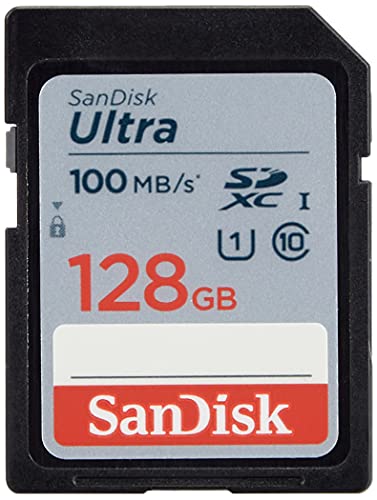 #2
Also Consider
SanDisk 128GB Ultra SDXC UHS-I Memory Card - 100MB/s, C10, U1, Full HD, SD Card - SDSDUNR-128G-GN6IN
$35.49
Check Price →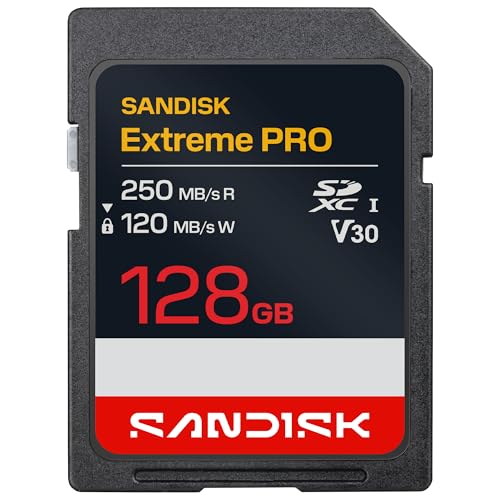 #3
Also Consider
SanDisk 128GB Extreme PRO SD UHS-I Card, Up to 250MB/s Read and 120MB/s Write, 4K UHD, Full HD, U3, V30, SDSDXXJ-128G-GSCIN
$49.99
Check Price →We’ve all been there: you’re halfway through a shoot when a card failure turns a productive morning into a digital disaster. In the wake of the 2026 NAND flash shortage, which pushed manufacturers to embed up to 53GB of internal storage in devices to combat rising costs and reliability issues, choosing the right external storage has become a more calculated risk than it used to be. I’ve spent years swapping cards in the field, and I know that a spec sheet is just a promise—real-world write speeds and build quality are the only things that actually matter when you're staring down a deadline. This roundup breaks down the best options to keep your workflow moving without the heartbreak of data loss.
⚡ Quick Answer: Best Top Camera Memory Card
Best Overall: SanDisk 128GB Extreme PRO SD UHS-I Card
- Fit
- Considering SanDisk 128GB Extreme PRO SD UHS-I Card? Check the listed specifications against your requirements before choosing.
- Price
- $49.99
- Maintenance
- Follow the manufacturer’s use and storage directions for this product.
- Tradeoffs
- 128GB capacity may limit long shoots; Write speeds lower than higher capacity models
Table of Contents
Main Points
- Prioritize write speeds for video: When shooting 4K UHD, look for V30 or U3 ratings to ensure the buffer doesn't choke during high-bitrate captures.
- Capacity vs. Reliability: While the 2026 NAND shortage has made high-capacity cards more expensive, choosing a capacity that matches your shooting style—rather than just buying the biggest number—is key to managing costs.
- The "Internal" Trap: Remember that while modern devices often include built-in storage, your primary assets live on the card; always ensure your external media is as robust as your camera body.
- Read speeds matter for offloading: High-speed read ratings (like 200MB/s or 250MB/s) are essential for getting files off the card and into your workstation without losing hours of your life.
- Match the card to the task: Use high-performance Extreme PRO series for professional-grade reliability, but don't hesitate to use Ultra series cards for lighter, Full HD-only tasks to save on your budget.
Our Top Picks
Affiliate disclosure: if you buy through these links, we may earn a commission at no extra cost to you.
Factors to Consider
Frequently Asked Questions
How can I recover deleted files from a memory card?
In digital forensics, data carving techniques can be used to recover deleted files by scanning raw storage for specific file signatures. This process can often retrieve files even after directory entries have been removed from the card.
sWhy is the device's internal memory important for forensics?
Metadata created by a mobile phone is typically stored in the device's internal memory rather than on the memory card itself. Because of this, a forensic examiner often needs access to the original device alongside the card to form a complete and reliable opinion.
Will a faster read speed help with my photography?
Higher read speeds are primarily beneficial when transferring large batches of photos from the card to your computer. While it won't speed up the camera's capture rate, it significantly reduces the time you spend sitting at your desk during post-processing.
Is it safe to use older cards in modern cameras?
Compatibility depends on the interface, but using older, slower cards in high-resolution cameras can lead to buffer errors. Always check if your card meets the minimum write speed requirements of your camera's sensor and processor.
What should I look for in a rugged memory card?
For field work, look for cards with water-resistant and impact-resistant builds. Reliability in harsh environments is just as important as the raw transfer speeds listed on the packaging.
Conclusion
Best Overall: SanDisk 128GB Extreme PRO SD UHS-I Card, Up to 250MB/s Read and 120MB/s Write, 4K UHD, Full HD, U3, V30, SDSDXXJ-128G-GSCIN
Choosing the right storage in a volatile market requires a balance of capacity and professional-grade speed. For those who need a reliable workhorse that won't fail during a critical shoot, the SanDisk 128GB Extreme PRO SD UHS-I Card, Up to 250MB/s Read and 120MB/s Write, 4K UHD, Full HD, U3, V30, SDSDXXJ-128G-GSCIN is our top recommendation.


