

How to Select a Tripod for Father's Day Gift Photography
Our Top Picks
Affiliate disclosure: if you buy through these links, we may earn a commission at no extra cost to you.

Father's Day gift photography—whether you're shooting portraits of your old man with his favorite fishing rod, family gatherings on the back patio, or that long-overdue multi-generational photo—demands a tripod that won't fail you when the light is right and everyone's smiling. A good tripod isn't glamorous. Nobody looks at a finished portrait and says, "Wow, great tripod work." But a bad one? That ruins the shoot: wobbly heads, slipped legs, heads that rotate when you don't want them to, ballheads that creep downward after you've perfectly framed the shot.
After fifteen years of shooting everything from weddings to environmental portraits to documentary work, I've learned that tripod selection is about matching tool to task and environment. A tripod that works beautifully on a studio floor will drive you insane on rocky ground. One that's rock-solid at eye level might be frustrating when you need to get low or shoot from a height. In this guide, I'll walk you through the real decisions that matter—not marketing talk, but the actual factors that affect image quality and your sanity in the field.
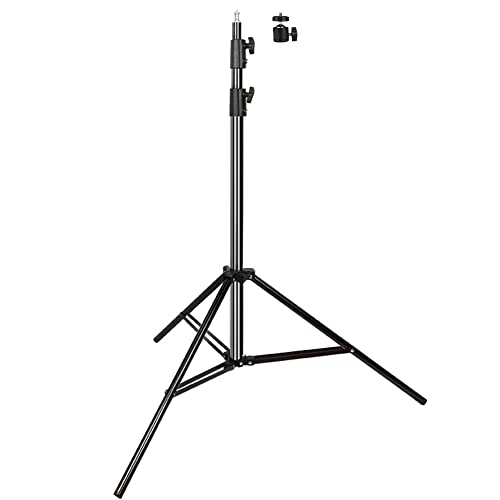
Aluminum Alloy Photography Tripod Stand, 9.19 Feet/2.8m Studio Lighting Tripod Stand for Video Lights, Photography Lights, Reflectors, Softboxes, Umbrellas
$49.99Check Price
Table of Contents
Understanding Tripod Types and Their Purpose
There are roughly four tripod categories you'll encounter, and each solves a different problem. Full-size tripods with extended legs and mid-level spreads are the workhorses—they give you the most working height, the most stability, and the most flexibility for different shooting angles. These are what most photographers grab for general work: family portraits, event coverage, outdoor environmental shots. They're not the lightest, but they're predictable.
Compact travel tripods trade extended height for portability. They're lighter, fold smaller, and travel well in camera bags or even luggage. The trade-off is real: you get less working height, and you often have to spread the legs wider to achieve the same stability, which eats up floor space and can be awkward on uneven ground. These are excellent for hiking, travel, or when you're covering multiple locations and can't lug a full rig.
Specialized tripods—ball-heads on sturdy legs, friction arms on monopods, or video tripods with fluid heads—are built for specific work. Video tripods, for instance, have weighted bases and smooth-damped pan-and-tilt heads that prevent jerk and drift during motion. They're overkill for still photography and significantly heavier. Conversely, lightweight travel tripods with quick-release ballheads are ideal for hiking portraiture but lack the stability lock-down of a geared head for long exposures or telephoto work.
Height, Spread, and Working Range
Extended height matters more than most photographers realize. Standard tripods extend to roughly 55–65 inches, which puts a camera at comfortable eye level for most people. Some extend higher—up to 70+ inches—which is useful if you're tall or shooting with longer telephoto lenses and need more clearance between the camera and the ground plane. Go too high and you're fighting reach and stability; too low and you're bending your back to compose and adjust.
Equally important is minimum height and how low the legs can spread. If you ever shoot low-angle shots—ground-level portraits, wide environmental frames—you need a tripod that allows the center column to be removed or reversed, or legs that splay wide enough to get the camera 12–18 inches from the ground. Many compact travel tripods fail here because their legs don't spread far enough without tipping the whole rig forward. Full-size tripods with reversible center columns and wide spreads are more versatile.
Leg angles and center-column design directly affect stability at extreme heights or with heavy gear. A tripod with three leg-angle positions (usually 25°, 45°, and 65°) gives you more options. If you regularly shoot with a 70-200mm lens and a camera body over three pounds, you need maximum stability; a tripod that feels solid with your 24mm prime will become a liability with telephoto reach and weight.
Heads: Ball, Friction, and Geared Systems
The head is where most tripod regret originates. It's the interface between camera and stability, and it makes or breaks your session. Ball heads are the industry standard for still photography: a single ball joint lets you pan, tilt, and rotate your camera fluidly. They're compact, lightweight, and fast for reactive shooting. The downside is that some ball heads creep—they slowly slip under the weight of your camera and lens after you've locked them down. Cheaper ball heads are notorious for this. Premium ballheads with locking friction rings and tension adjustments are far more stable but cost $150–400.
Friction heads—three-way heads with separate pan, tilt, and rotate controls—eliminate creep. Each axis locks independently, so once you set your frame, it stays set. They're slower to adjust and bulkier than ball heads, but if you're doing environmental portraiture where you lock in a composition and take multiple exposures or adjust just the subject's position, a friction head is more reliable. They're also excellent for telephoto work, where even tiny slippage ruins your frame.
Geared heads are precise, stable, and expensive. They have knobs or wheels that incrementally adjust each axis. They're overkill for handheld-style portraiture but invaluable for macro work, product photography, or architectural shots where pixel-perfect composition matters. For Father's Day family photography, a geared head is likely unnecessary unless you're doing very deliberate, methodical work.
There's also the hybrid: pan-tilt heads with a ball joint underneath, combining quick adjustment with secondary locking. These are genuinely useful if you're switching between composed, still shots and reactive framing, though they're more expensive and heavier than straight ball heads.
Build Quality and Material Trade-offs
Aluminum tripods are the standard: they're strong, relatively lightweight, affordable, and field-proven. Carbon fiber is lighter—roughly 25–30% lighter than aluminum of equivalent strength—but significantly more expensive ($200–600 for just the legs). The weight savings matter if you're hiking to a shoot location, carrying gear all day, or aging shoulders rebel against anything over five pounds. For stationary Father's Day shoots where you drive to a location and set up once or twice, carbon fiber is luxury, not necessity.
Leg construction varies by price tier. Cheaper tripods have thinner tubing and looser tolerances, which means slight play in the leg locks and reduced rigidity. Mid-range tripods use thicker walls and better-designed leg-lock mechanisms. Premium tripods invest in precise tolerances and sometimes use hook-and-cam or twist-lock systems that stay locked under vibration and temperature change. If you ever shoot in wind or need long exposures with telephoto glass, build quality compounds the importance of stability.
Spreaders—the bracing that links the three legs at the base—are often overlooked. A rigid spreader (metal or carbon) keeps the legs' geometry locked and resistant to vibration. Cheaper tripods use loose spreaders or omit them entirely. On uneven ground, loose leg geometry becomes very apparent; the tripod feels unstable even when technically locked. This is another reason that spending $200–300 on tripod legs yields tangible benefits over the $80 model: tighter tolerances and better spreader design.
Weight, Portability, and Real-World Use
A tripod is only useful if you'll actually carry it. I've owned beautiful, solid tripods that I stopped bringing on shoots because they weighed six pounds and exhausted my shoulder after a few hours. The lighter a tripod, the more likely you'll have it available when you need it. For Father's Day photography—driving to a backyard, park, or garden location—portability is less critical than for hiking or destination work. But if you're managing multiple locations in an afternoon, weight becomes relevant.
Full-size aluminum tripods typically weigh 4–6 pounds. Carbon fiber versions drop to 3–4 pounds. Compact travel tripods are 2–3.5 pounds. There's a real difference between two and six pounds when you're walking around all day. However, lighter construction sometimes means reduced stability, so there's a balance. Aim for the heaviest tripod you're willing to carry regularly. If that's four pounds, prioritize tripods in that range rather than grudgingly hauling a six-pound beast that you resent.
Packed size also matters. A full-size tripod with 65-inch height might pack to 24–28 inches. Compact tripods pack to 16–18 inches. If you're fitting the tripod into a camera bag alongside lenses and bodies, a compact design is pragmatic. If you're loading it separately into a vehicle, packed size is less critical. For Father's Day shoots where you're driving a car, packed size is mostly irrelevant; prioritize stability and working height instead.
Budget Hierarchy and Value Propositions
At $60–100, you get basic functionality: aluminum legs, a simple ballhead, functional leg locks. Stability is present but modest. Heads at this price point often creep noticeably. These tripods work fine for casual family photos, YouTube videos, or light documentary work, but they're not reliable for professional portraiture or any work where missed focus or frame shift ruins the shot. If Father's Day photography is a one-time event and you don't want to invest heavily, this tier is defensible.
At $150–250, you enter the sweet spot for enthusiast and professional work. You get better leg tolerances, more stable heads with better locking mechanisms, and construction that handles real-world stress. Brands like Manfrotto, Really Right Stuff, Peak Design, and Gitzo excel in
Frequently Asked Questions
How do I choose the right tripod for Father's Day photography?
Consider the type of photography you'll be doing—ball heads offer smooth panning for video, friction heads provide precise control for portraits, and geared systems deliver maximum stability for professional shots. Also evaluate the tripod's height range and spread to ensure it accommodates your shooting style and the venues where you'll be photographing, such as patios or outdoor family gatherings.
What is the best tripod head type for family portrait photography?
Friction heads and geared heads are ideal for family portraits because they allow you to position your camera with precision and hold it steady during long exposures or when adjusting composition. Ball heads are also popular for portraits due to their smooth adjustability, though they require careful locking to prevent drift under the weight of heavier camera setups.
Is it worth buying a tripod for Father's Day photography?
Yes, a tripod is invaluable for Father's Day photography because it enables you to capture sharp images in lower light conditions, compose multi-generational photos without distortion, and even place yourself in the frame for family shots. It also reduces camera shake and allows you to focus on composition rather than holding the camera steady.
How do I know what height and spread I need in a tripod?
Measure the typical shooting height you prefer—most photographers work comfortably at eye level—and check the tripod's maximum extended height to ensure it reaches that without straining. The spread (how wide the legs extend) determines stability on uneven ground like patios or outdoor spaces, so choose a model with adequate spread for the environments where you'll be shooting Father's Day photos.
What is the difference between ball heads, friction heads, and geared tripod systems?
Ball heads use a rotating ball joint for quick, smooth positioning and are compact and lightweight; friction heads use friction locks for precise, independent axis control; and geared systems offer the most stable, controlled adjustments through gear mechanisms. For Father's Day photography, ball heads work well for general use, friction heads excel for detailed portrait work, and geared heads are best for professional multi-generational shots requiring maximum precision.
How do I choose between a lightweight portable tripod and a heavy-duty studio tripod?
Choose a lightweight portable tripod if you're moving between locations for Father's Day photos like fishing spots or multiple family gathering venues; select a heavy-duty studio tripod if you're setting up in one location and need maximum stability and load capacity. Consider the total weight of your camera and lens combination—heavier setups require sturdier tripods to prevent tip-over and ensure sharp images.
Is it worth investing in a premium tripod or will a budget model work for Father's Day photography?
A mid-range tripod typically offers the best value for Father's Day photography, balancing stability, adjustability, and durability without premium pricing. Budget models may lack stability in certain conditions, while premium tripods offer advanced features useful primarily for professional or specialized work; choose based on your camera weight, shooting frequency, and how long you plan to use the tripod.


